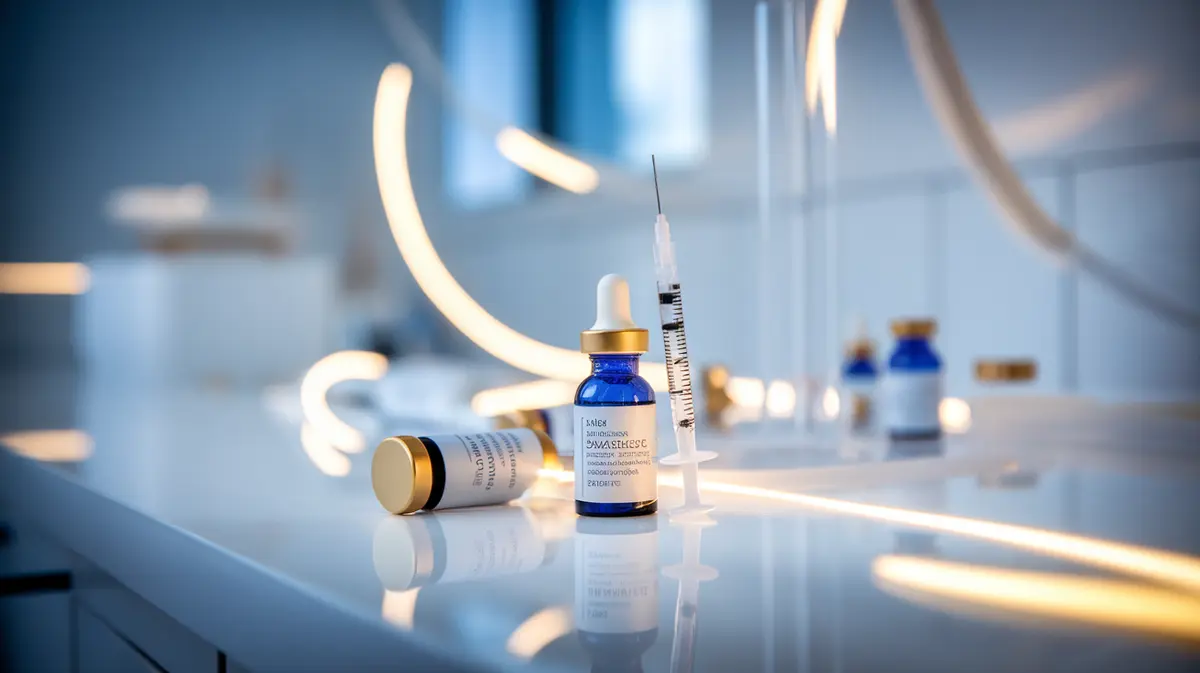
What Are Peptides?
Peptides are short chains of amino acids that serve as the building blocks of proteins like collagen, elastin, and keratin. In aesthetic medicine, peptides act as signaling molecules that communicate with skin cells to trigger specific biological responses, such as increased collagen production, improved skin barrier function, and enhanced cellular repair.
When applied topically or injected, peptides can penetrate the skin to deliver targeted anti-aging benefits. Injectable peptides offer deeper penetration and more dramatic results compared to topical formulations.
KEY INSIGHT
Peptides work by "telling" your skin cells to perform specific functions like producing more collagen or reducing inflammation, making them highly effective targeted treatments.
Types of Injectable Peptides
1. Signal Peptides
Signal peptides stimulate collagen and elastin production by activating fibroblast cells. Popular signal peptides include:
- Palmitoyl Pentapeptide (Matrixyl): Boosts collagen and elastin synthesis
- Copper Peptides (GHK-Cu): Promotes wound healing and tissue remodeling
- Thymosin Beta-4: Accelerates healing and reduces inflammation
2. Carrier Peptides
Carrier peptides deliver trace minerals like copper and magnesium to the skin, supporting enzymatic processes essential for skin repair and regeneration.
3. Enzyme Inhibitor Peptides
These peptides work similarly to Botox by temporarily inhibiting muscle contractions that cause expression lines. Examples include:
- Argireline (Acetyl Hexapeptide-8): Reduces the appearance of wrinkles
- Syn-Ake: Mimics snake venom to relax facial muscles
4. Neurotransmitter Inhibitor Peptides
These peptides block the release of neurotransmitters that cause muscle contractions, providing a non-toxic alternative to botulinum toxin treatments.
Benefits of Peptide Therapy
✓ Increased Collagen Production
Stimulates natural collagen synthesis for firmer, more youthful skin
✓ Reduced Fine Lines
Smooths wrinkles and expression lines without paralysis
✓ Improved Skin Texture
Enhances skin smoothness and overall appearance
✓ Enhanced Healing
Accelerates tissue repair and wound recovery
✓ Anti-Inflammatory Effects
Reduces redness and inflammation for calmer skin
✓ Hydration Boost
Improves moisture retention and skin barrier function
Treatment Areas
Injectable peptide therapy can effectively treat multiple areas:
- Forehead Lines: Reduces horizontal wrinkles
- Crow's Feet: Smooths lines around the eyes
- Nasolabial Folds: Minimizes smile lines
- Marionette Lines: Addresses lines around the mouth
- Neck and Décolletage: Improves skin texture and firmness
- Hands: Reduces signs of aging on hands
- Full Face Rejuvenation: Overall skin quality improvement
Peptides vs. Other Injectable Treatments
| Treatment | Mechanism | Duration | Best For |
|---|---|---|---|
| Peptides | Stimulates collagen & cellular repair | 3-6 months | Overall skin rejuvenation |
| Botox | Paralyzes muscles | 3-4 months | Expression lines |
| Dermal Fillers | Adds volume | 6-18 months | Volume loss, deep lines |
| PRP | Uses growth factors | 12-18 months | Skin quality, hair restoration |
The Treatment Process
Consultation
Your provider will assess your skin concerns, medical history, and aesthetic goals to determine if peptide therapy is appropriate for you.
Preparation
The treatment area is cleansed, and a topical anesthetic may be applied for comfort. The peptide solution is prepared according to your specific needs.
Injection Procedure
Using fine needles or microcannulas, the peptide solution is injected into targeted areas. The procedure typically takes 20-30 minutes depending on the treatment area.
Post-Treatment Care
Minimal downtime is required. You may experience slight redness or swelling that resolves within 24-48 hours.
Expected Results & Timeline
- Immediate: Mild hydration and plumping effect
- 2-4 Weeks: Initial improvements in skin texture and tone
- 4-8 Weeks: Noticeable reduction in fine lines and wrinkles
- 8-12 Weeks: Peak results with improved collagen production
- 3-6 Months: Continued improvement with maintenance treatments
PRO TIP
For optimal results, peptide treatments are often combined with other modalities like microneedling, PRP, or laser therapy to enhance penetration and effectiveness.
Cost Considerations
Injectable peptide therapy costs vary based on several factors:
- Treatment Area: Larger areas require more product
- Peptide Type: Different formulations have varying costs
- Provider Expertise: Board-certified providers may charge premium rates
- Geographic Location: Urban areas typically cost more
- Number of Sessions: Multiple treatments may be needed
Average Cost Range: $300-$800 per treatment session
Who Is a Good Candidate?
Ideal candidates for peptide therapy include individuals who:
- Are experiencing early signs of aging
- Want to improve skin texture and tone
- Seek natural-looking results
- Prefer non-surgical treatments
- Have realistic expectations
- Are in good overall health
Contraindications & Safety
Peptide therapy is generally safe, but may not be suitable for:
- Pregnant or nursing women
- Individuals with active skin infections
- Those with severe allergies to peptide components
- Patients with autoimmune disorders (consult provider)
- Individuals taking certain medications (blood thinners)
Potential Side Effects
Side effects are typically mild and temporary:
- Redness at injection sites
- Mild swelling
- Bruising (rare)
- Temporary tenderness
- Minor itching
Combining Peptides with Other Treatments
Peptide therapy can be effectively combined with:
- Microneedling: Enhances peptide penetration
- PRP/PRF: Synergistic regenerative effects
- Laser Treatments: Addresses multiple skin concerns
- Chemical Peels: Improves skin texture and tone
- Botox: Comprehensive wrinkle reduction
- Dermal Fillers: Volume restoration plus skin quality
Choosing a Provider
Selecting the right provider is crucial for safe and effective peptide therapy. Look for:
- Board certification in dermatology or plastic surgery
- Extensive experience with injectable treatments
- Positive patient reviews and before/after photos
- Clean, professional facility
- Comprehensive consultation process
- Clear communication about risks and benefits
Frequently Asked Questions
How long do peptide injections last?
Results typically last 3-6 months, with maintenance treatments recommended every 3-4 months for optimal outcomes.
Are peptide injections painful?
Most patients report minimal discomfort. Topical anesthetics are typically applied before treatment to ensure comfort.
Can I combine topical and injectable peptides?
Yes! Many providers recommend using topical peptide serums between injectable treatments to maximize and maintain results.
How many treatments will I need?
Most patients benefit from a series of 3-4 initial treatments spaced 4-6 weeks apart, followed by maintenance sessions every 3-6 months.
Is there any downtime?
Minimal to no downtime is required. Most patients return to normal activities immediately, with any redness or swelling resolving within 24-48 hours.
The Bottom Line
Injectable peptide therapy represents an exciting advancement in aesthetic medicine, offering a science-backed approach to skin rejuvenation. By harnessing the power of these signaling molecules, patients can achieve natural-looking improvements in skin quality, texture, and overall appearance.
While peptides alone may not provide dramatic results like surgical procedures, they offer a gentle, progressive approach to anti-aging that works in harmony with your body's natural processes. When combined with other treatments and a comprehensive skincare regimen, peptides can be a valuable component of your aesthetic treatment plan.
Ready to Experience Peptide Therapy?
Schedule a consultation with a board-certified provider to determine if injectable peptides are right for your skin concerns and aesthetic goals.
Book Your Consultation