The medical spa industry continues its explosive growth trajectory into 2026, with the U.S. market now exceeding $20 billion in annual revenue. More than 11,000 medical spas operate across the country, yet consumer demand continues to outpace supply in many markets. For physicians, nurse practitioners, physician assistants, and dentists with entrepreneurial ambitions, launching a medical spa represents one of the most compelling business opportunities in healthcare today.
However, starting a medical spa is fundamentally different from opening a day spa or a traditional medical practice. It sits at the intersection of healthcare regulation, aesthetic artistry, and retail business management, requiring competencies in all three domains. This guide walks you through every essential step of launching a successful medical spa in 2026, from initial concept through opening day and beyond.
Business Planning and Market Analysis
Every successful medical spa starts with a rigorous business plan. Before investing in equipment, signing a lease, or hiring staff, you need a clear understanding of your target market, competitive landscape, financial projections, and growth strategy. A well-constructed business plan is also essential for securing financing, as lenders and investors will want to see evidence that your concept is viable before committing capital.
Begin with market analysis. Research the demographics of your intended service area, including population size, median household income, age distribution, and existing aesthetic service providers. Markets with higher concentrations of women aged 25 to 55 with household incomes above $75,000 tend to support medical spas most strongly, but the demographic is broadening rapidly. Male patients now represent 15 to 20 percent of the aesthetic market, and younger patients in their twenties are increasingly seeking preventive treatments.
Analyze your competition thoroughly. Identify every medical spa, aesthetic practice, and dermatology office within a 15-mile radius of your intended location. Study their service menus, pricing, online reviews, and marketing presence. Look for gaps in the market: underserved treatment categories, poor patient experience, limited availability, or geographic areas without convenient access. Your competitive advantage should be clear and defensible before you invest your first dollar.
Financial projections should be conservative and evidence-based. A typical medical spa in the United States generates between $500,000 and $2.5 million in annual revenue once established, with net profit margins of 15 to 25 percent for well-managed practices. However, most medical spas take 12 to 18 months to reach profitability. Your business plan should account for at least 12 months of operating expenses without relying on patient revenue to cover costs.
Licensing and Legal Structure
The legal framework for medical spa ownership and operation varies significantly by state. In most states, a medical spa must be owned by or affiliated with a licensed physician, though the specific requirements for physician involvement range from full ownership to a medical director agreement with nominal supervisory duties. Understanding your state's corporate practice of medicine doctrine is essential before structuring your business entity.
In states with strict corporate practice restrictions, the medical spa must typically be organized as a professional corporation (PC) or professional limited liability company (PLLC) owned by a licensed physician. Non-physician practitioners can sometimes partner with a physician through a management services organization (MSO) structure, in which the MSO handles business operations while the physician entity handles clinical decisions and oversight.
Secure a healthcare attorney who specializes in medical spa law before filing any business entity paperwork. The cost of proper legal setup ranges from $3,000 to $10,000, a trivial investment compared to the cost of restructuring an improperly formed business or defending against a regulatory enforcement action. Your attorney should help you draft collaborative practice agreements, medical director agreements, informed consent forms, and HIPAA compliance policies.
Training Requirements for You and Your Team
Clinical competence is the non-negotiable foundation of a successful medical spa. Regardless of your medical background, you need specialized training in aesthetic procedures before offering them to patients. A family physician, emergency medicine physician, or dentist may have excellent clinical skills in their primary specialty, but aesthetic injection is a distinct discipline that requires dedicated education.
At minimum, the lead injector at your medical spa should have completed accredited certification training in neurotoxin injection, dermal filler placement, and complication management. Advanced training in specialized areas like lip augmentation, PDO thread lifts, and PRP therapy adds premium services to your menu and differentiates your practice from competitors who offer only basic injectables.
If you plan to hire additional injectors, ensure they complete the same level of training before treating patients independently. Clinical consistency across your provider team is essential for patient satisfaction and practice reputation. Training organizations like Facial Injectables offer team training packages that allow multiple providers to complete coordinated education, building a shared clinical vocabulary and technique framework from day one.
Equipment and Facility Setup
The equipment investment for a medical spa varies widely based on your initial service menu. An injectable-focused practice can launch with relatively modest equipment costs of $10,000 to $25,000, covering treatment beds, lighting, storage, refrigeration for products, and basic medical supplies. Practices that include energy-based devices like lasers, radiofrequency microneedling, or body contouring platforms face significantly higher equipment costs, often $100,000 to $300,000 for a comprehensive device portfolio.
A common and effective strategy is to launch with an injectable-focused service menu and add devices incrementally as revenue grows and patient demand becomes clear. This reduces initial capital requirements, allows you to validate your business model with lower risk, and ensures that each device purchase is justified by demonstrated patient interest. Leasing equipment rather than purchasing outright can further reduce upfront costs, though the total cost of ownership over a lease term is typically higher than a direct purchase.
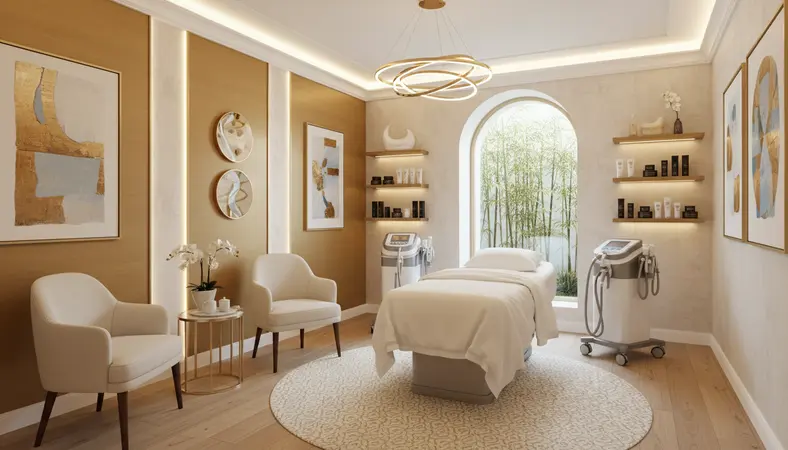
Your facility should project a premium, clinical aesthetic that balances the warmth of a spa with the credibility of a medical practice. Invest in quality lighting, comfortable furnishings, and a clean, modern design. The patient consultation room is particularly important as it sets the tone for the entire experience. Allocate 1,200 to 2,500 square feet for a startup medical spa with two to three treatment rooms, a consultation room, and a reception area.
Marketing Your MedSpa
Marketing a medical spa in 2026 requires a multi-channel strategy that builds trust, demonstrates expertise, and makes it easy for potential patients to take the next step. The most effective marketing combines a strong digital presence with strategic local outreach and patient referral programs.
Your website is your most important marketing asset. It should be professionally designed, mobile-optimized, and include detailed information about your services, provider credentials, before-and-after photos, pricing transparency, and an easy online booking system. Search engine optimization (SEO) targeting local aesthetic search terms is essential for organic visibility. Patients searching for "Botox near me" or "best medical spa in [city]" should find your practice on the first page of results.
Social media, particularly Instagram and TikTok, is indispensable for aesthetic practices in 2026. Consistent posting of educational content, treatment videos, before-and-after transformations, and behind-the-scenes glimpses of your practice builds brand awareness and trust. Paid social advertising on Instagram and Facebook allows highly targeted campaigns based on demographics, interests, and geographic radius.
Do not underestimate the power of referral marketing. Satisfied patients are your most effective marketing channel. Implement a structured referral program that rewards existing patients for referring friends and family. Many successful medical spas offer referral credits of $50 to $100 per referred patient, a modest cost that generates high-value new patient acquisitions.
Staffing Your Practice
The right team can make or break a medical spa. At launch, most medical spas operate with a lean team: the owner-practitioner, one additional injector or esthetician, a patient coordinator or front desk staff member, and a medical director if the owner is not a physician. As the practice grows, you will add providers, estheticians, marketing support, and potentially a practice manager.
Hiring for a medical spa requires evaluating candidates on both clinical competence and patient interaction skills. In aesthetic medicine, the patient experience is as important as the clinical outcome. Your team members need to be warm, professional, and skilled at consultative communication. The best clinical skills in the world will not build a practice if patients feel rushed, ignored, or pressured during their visits.
Compensation structures in medical spas typically include a base salary plus production bonuses tied to treatment volume or revenue. For injectors, a common structure is a base salary of $80,000 to $120,000 plus a production bonus of 10 to 20 percent on collections above a threshold. This structure aligns incentives between the practitioner and the practice while providing financial stability for the employee.
Compliance and Risk Management
Compliance is not the most exciting aspect of launching a medical spa, but it is one of the most critical. Regulatory violations can result in fines, license suspension, practice closure, and personal liability. Building a compliance framework from day one is far easier and less expensive than retrofitting one after a regulatory inspection reveals deficiencies.
Key compliance areas include HIPAA privacy and security requirements for patient health information, OSHA workplace safety standards including bloodborne pathogen protocols, state-specific supervision and delegation requirements for each provider type in your practice, informed consent documentation, adverse event reporting procedures, and product storage and handling protocols.
Secure comprehensive malpractice insurance that explicitly covers aesthetic procedures for every provider in your practice. General liability insurance for the facility, business property insurance, and cyber liability insurance for patient data protection should also be in place before you see your first patient. Work with an insurance broker who specializes in medical practices to ensure there are no gaps in your coverage.
Starting a medical spa in 2026 is a significant undertaking that rewards thorough preparation, quality training, and patient-centered execution. The market opportunity is real and growing, but success belongs to practitioners who build their practices on a foundation of clinical excellence, business discipline, and regulatory compliance. Explore our training courses to build the clinical foundation your practice needs, and visit our membership plans for comprehensive access to the education that will set you apart.
Frequently Asked Questions
How much does it cost to start a medical spa?
Startup costs typically range from $100,000 to $500,000 depending on location, equipment, and service scope. An injectable-focused practice can launch on the lower end, while a full-service medical spa with lasers and body contouring devices will require significantly more capital. Budget for at least 12 months of operating expenses in addition to initial setup costs.
Do I need to be a physician to own a medical spa?
Requirements vary by state. Many states require physician ownership or a medical director arrangement. Non-physician practitioners like nurse practitioners and physician assistants can often establish practices through management services organization (MSO) structures or in states that grant full practice authority. Consult a healthcare attorney in your state for specific guidance.
How long does it take for a medical spa to become profitable?
Most medical spas reach profitability within 12 to 18 months of opening. Practices that launch with a focused service menu, strong marketing from day one, and effective patient retention strategies tend to reach profitability faster. The key is maintaining consistent patient acquisition while managing overhead costs during the ramp-up period.
What training do I need before opening a MedSpa?
At minimum, you should complete accredited certification training in neurotoxin injection and dermal filler placement. Advanced training in specialized procedures like lip augmentation, thread lifts, and PRP therapy adds revenue-generating services. Business training in practice management, marketing, and compliance is equally important for long-term success.
What services should a new MedSpa offer first?
Most successful medical spas launch with neurotoxin injections (Botox, Dysport), dermal fillers, and one or two complementary services like chemical peels or microneedling. This core menu addresses the highest-demand treatments with relatively low equipment investment. Add premium services like thread lifts and laser treatments as revenue grows and patient demand is validated.